When Maine hits a real cold snap, frozen pipes become an instant concern. Every winter, we get an uptick in freeze-ups that share the same root causes – and most of them come from well-intentioned attempts to save on heating costs.
We understand it. Heating a home is expensive, energy costs matter, and nobody wants to pay more than they have to. But there’s a point where trying to save on heat can end up costing far more in repairs, water damage (or much worse), and system strain than it ever saved on your energy bill.
Heat pumps have become really popular in Maine. They are super-efficient and fantastic at keeping living spaces comfortable all year long. But during cold snaps, we often see homeowners who rely on their heat pumps to heat their main living areas forgetting about other parts of the house where plumbing runs.
Basements, crawl spaces, garages, utility rooms, spare bedrooms, additions, and far-off corners of the house often contain water pipes. If those areas aren’t getting enough heat, it doesn’t matter how cozy the living room feels – the pipes in colder zones are at risk.
Heated air from living spaces doesn’t easily travel to every corner of a home, especially when outdoor temperatures are particularly frigid. Any space with plumbing needs consistent heat, even if you’re not actively using that space.
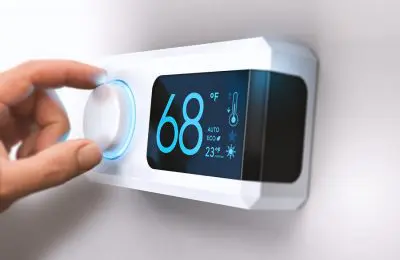
Another common issue is keeping indoor temperatures set too low during very cold weather. When it’s bitterly cold outside, low thermostat settings can prevent heat from ever reaching more remote areas of the home.
With the heat set low, the heat source shuts off faster. Pipes located in exterior walls or farther from heat sources may never warm up enough to stay above freezing. Once that happens, it doesn’t take long for ice to form – and frozen pipes don’t just block water. They expand, crack, and can burst once they thaw.
A slightly higher, steady temperature during extreme cold is far safer than trying to ride it out at the lowest possible setting.
It might seem smart to turn the heat way down while you’re at work, but during cold snaps this can backfire in two big ways.
First, the house cools significantly throughout the day, especially in rooms that already struggle to stay warm. That makes pipes much more vulnerable to freezing.
Second, your heating system has to work much harder to bring the home back up to temperature later. That added strain can lead to breakdowns, inefficient operation, and a shorter lifespan for your equipment. The LAST thing you want during the coldest stretches in winter is a system already under stress that may break down!
Consistency matters more than aggressive fluctuations when temperatures are extreme. It’s not a big energy savings to range your interior temperatures so dramatically. Systems work most efficiently when they can run steadily, without added stress.
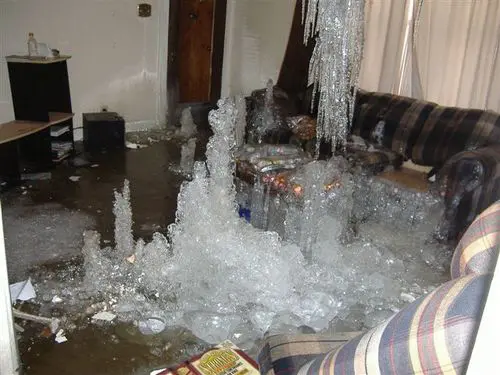
This is the simplest truth we can share: Paying for heat is almost always cheaper than paying for frozen pipe repairs!
A freeze-up can mean emergency service calls, plumbing repairs, water damage, mold remediation, structural and other home repairs, loss of precious belongings, and time spent dealing with insurance and cleanup. Compared to all that – running your heat a bit higher during a cold snap is the safer and smarter investment!
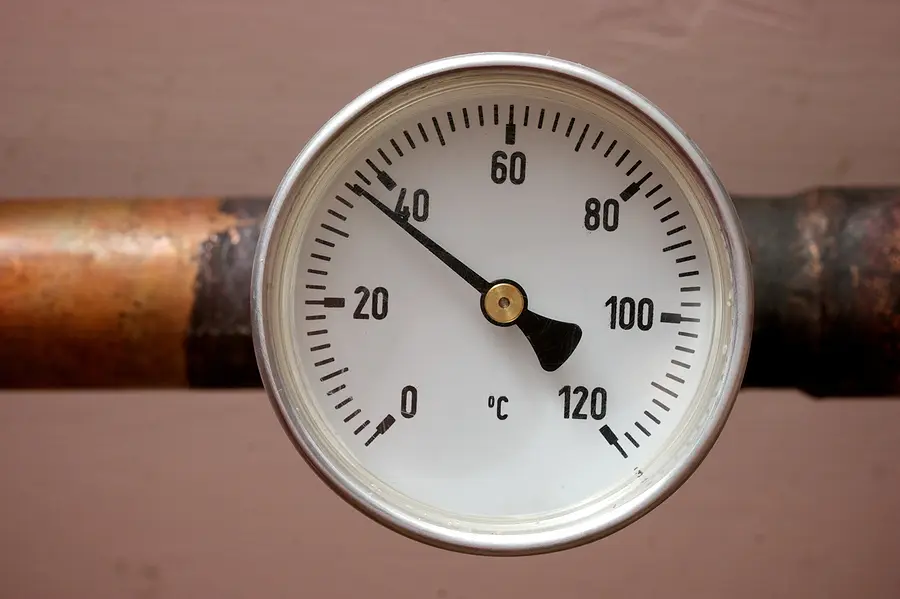
If you’re unsure whether parts of your home are staying warm enough, it’s worth checking – or asking for help. Setting a thermometer in questionable spots is a simple way to monitor interior temps, and there are affordable ones with alarms built in to warn you when temperatures reach dangerous levels.
At New Energy Solutions, we’d much rather help you prevent a problem than fix one after the damage is done. A little extra heat during a cold snap can save a lot of stress, money, and headaches down the road. If you have any questions or concerns about your heating system – please reach out to us!
