Now that the summer heat and humidity have settled in, your air conditioner or heat pump is likely putting in some long hours. That naturally means using more electricity – but it doesn’t have to mean your system should have to work harder than necessary.
A few simple changes around your home can help your cooling system run more efficiently, keep indoor temperatures comfortable, and potentially reduce some of the wear and tear on your equipment.
Here are ten ways to help your air conditioning system do its job without wasting energy.
You would not want heated air escaping from your home in January, and the same idea applies to air conditioning in July.
Air leaks around windows, doors, floors, attic access points, and other openings allow expensive cooled air to escape while warm, humid air is making its way inside. Sealing up any of those leaks and making sure your home is properly insulated goes a long way in helping to maintain a more consistent indoor temperature.
The better you trap your cool air in, the less often your system needs to run.
If you have a ducted heating and cooling system, leaks in the ductwork may be sending conditioned air into an attic, basement, crawl space, or wall cavity instead of the rooms where you need it. In other words, wasting your expensive cooled air!
Professional duct testing, cleaning and sealing can help improve airflow and reduce wasted energy. This is not a job for ordinary household duct tape, which usually does not provide a dependable, long-lasting seal.
A dirty air filter restricts airflow, forcing your system to work harder to move cool air through your home. It can also contribute to uneven cooling, poorer indoor air quality, and unnecessary strain on the equipment.
Check your air filter regularly throughout the cooling season and clean or replace it according to the manufacturer’s recommendations. Homes with pets, construction dust, allergies, or heavy system use may need more frequent filter changes.
Keeping air filters clean is a quick and simple step, but very important to efficiency and indoor air quality.
Setting the thermostat extremely low will not cool your home faster. It will simply make the system work harder and run longer.
Try setting the temperature a little higher when you are away from home or do not need as much cooling. Even a small adjustment can reduce energy use without making the house uncomfortable.
The right setting depends on your home and your preferences. We don’t want you sitting around feeling hot, of course, but you also want to avoid paying for more cooling than you actually need.
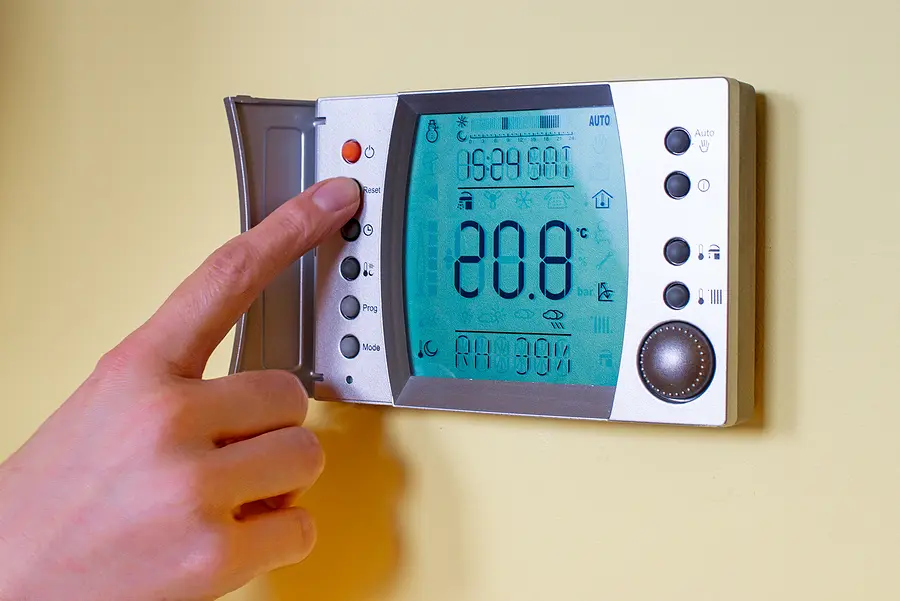
A programmable or smart thermostat can automatically adjust the temperature based on your household schedule.
Instead of cooling an empty home all day, you can reduce system use while everyone is out and have the temperature return to a comfortable level before you get home. This helps eliminate unnecessary run time without requiring you to remember to adjust the thermostat every time you leave.
Maine summer days can get hot, but our mornings and evenings often cool down considerably.
When outdoor temperatures and humidity levels are comfortable, turn off the air conditioning and open your windows to let fresh air move through the house. Once the day begins to heat up, close the windows again so you are not inviting warm, humid air inside.
Ceiling fans can also help you feel cooler by circulating the air, allowing you to rely a little less heavily on the air conditioner. In warmer months, be sure your ceiling fans are switched to move counterclockwise to create a cooling breeze.
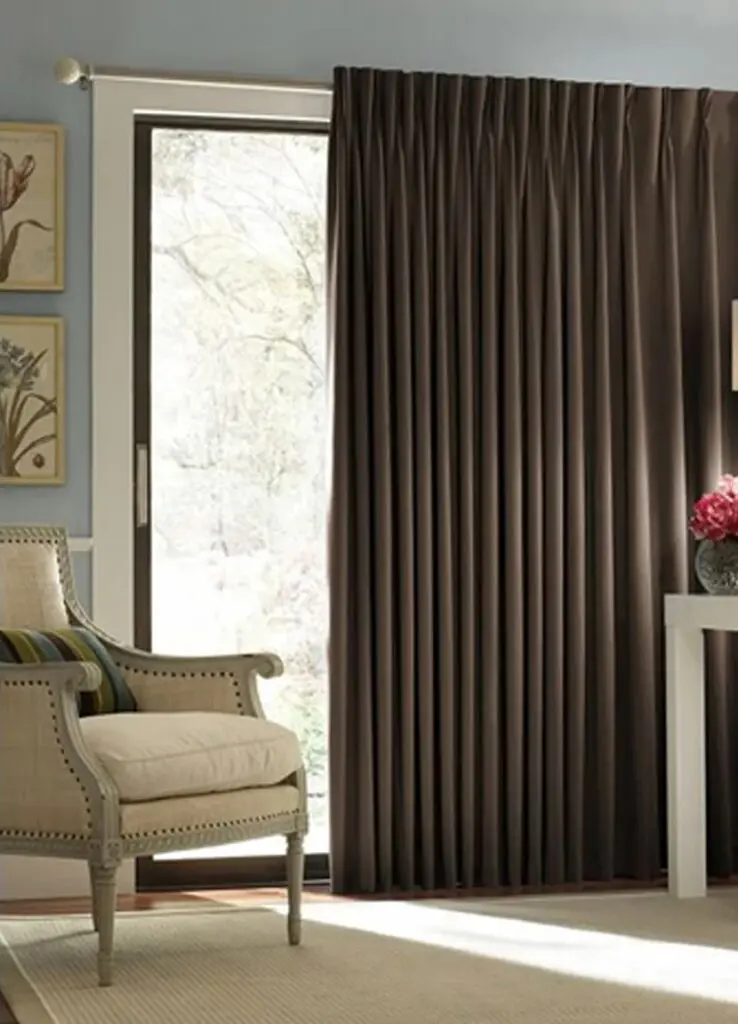
Direct sunlight coming through windows can quickly heat up a room. It’s really easy to avoid this by simply closing curtains, blinds, or shades on windows that receive strong sunlight. This is particularly helpful on the southern and western sides of the house.
That free solar heat is welcome during a Maine winter. In the middle of summer, not so much.
Ovens, clothes dryers, and dishwashers all produce heat. Using them during the hottest part of the day can raise the indoor temperature and make your cooling system work even harder.
Whenever possible, run heat-producing appliances during the morning or evening. On especially hot days, consider cooking outside, using smaller countertop appliances, or choosing meals that do not require the oven.
Your outdoor air conditioning or heat pump unit needs plenty of airflow to release heat from your home safely and efficiently.
Be sure to always remove leaves, grass clippings, weeds, and other debris from around the equipment. Trim back plants and shrubs so they do not crowd the unit or block the coils. Check around your exterior equipment regularly to be sure no pests are building nests or disturbing anything.
Be careful when mowing or using a string trimmer nearby, since flying debris can damage the equipment. Do not cover or enclose the unit while it is operating.
Installed air conditioning should get a complete system inspection from an HVAC professional each year. Annual maintenance helps your system operate more efficiently, reduces the chance of a mid-heatwave breakdown, improves indoor air quality, and helps to catch smaller concerns before they become expensive repairs.
During a professional service appointment, the technician can inspect electrical components, check refrigerant performance, clean important parts of the system, examine the condensate drain, and look for signs of developing problems.
A little maintenance and a few smart habits can go a long way toward a cooler, more comfortable Maine summer!
If your A/C isn’t keeping up or you haven’t had it checked in a while – New Energy Solutions can inspect and maintain your current air conditioning or heat pump system, diagnose performance problems, and we can help you explore replacement options when your existing equipment is no longer keeping up.
